01
Indigenous Knowledge Systems
The organized wisdom of African societies — ecology, agriculture, governance, medicine and cosmology studied as coherent systems.
Collection growing — [item count placeholder]
Indigenous knowledge
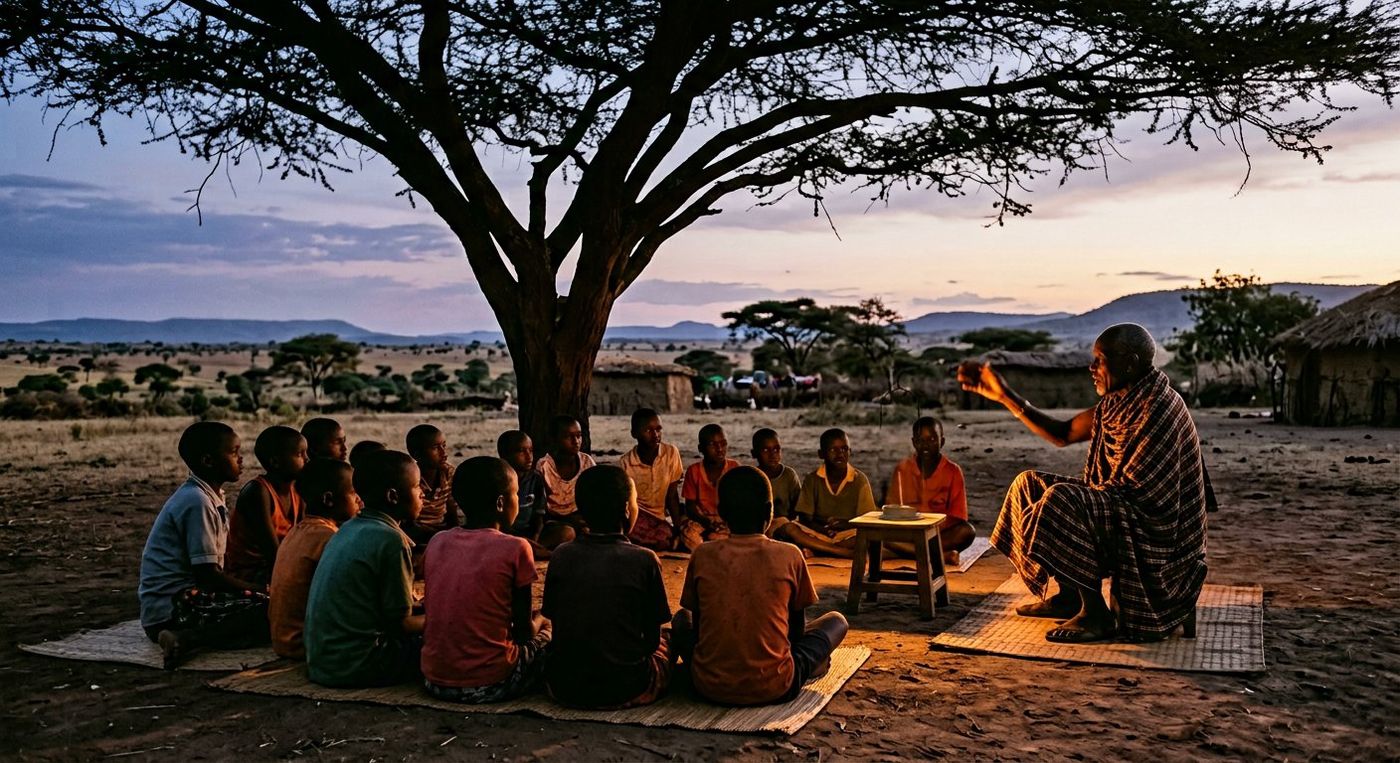
Africa possesses generations of knowledge preserved through communities, languages, traditions, practices, stories and lived experience. TAIIH Education creates pathways to document, explore, preserve and learn from this knowledge.
Indigenous knowledge is not folklore behind glass. It is ecology that still works, medicine worth studying, languages that encode entire philosophies, craft systems with their own mathematics, governance traditions that held societies together long before imports arrived.
The TAIIH Indigenous Knowledge program treats this heritage the way serious scholarship treats any body of knowledge: with structure, evidence, ethics and teaching. Communities remain the owners. We build the classroom, the archive and the pathway between the two.
Explore the education track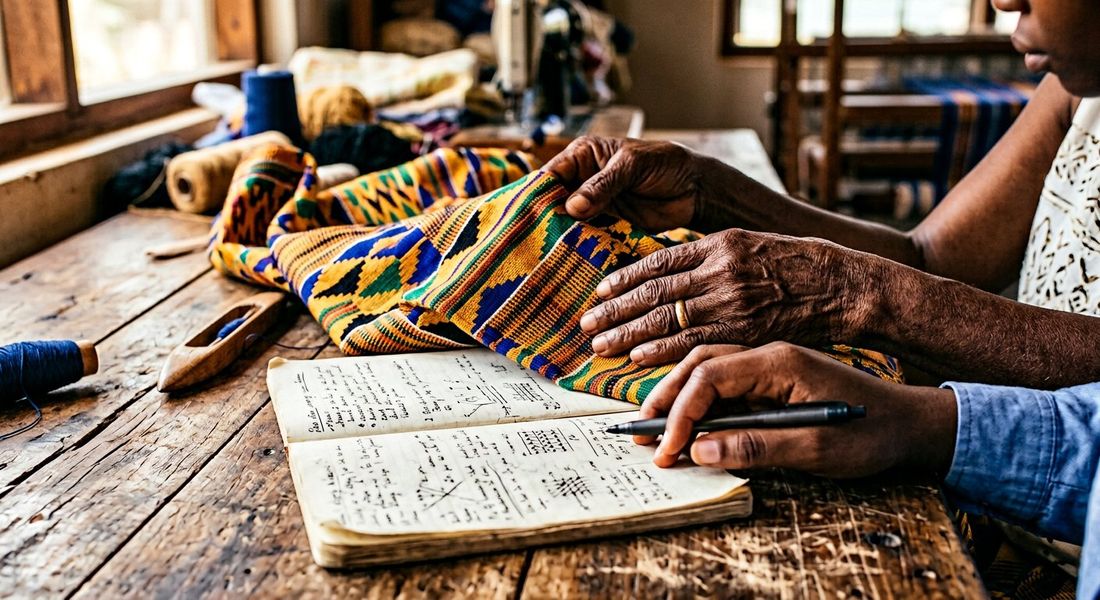
Seven living collections
Each collection grows through guided learning, field documentation and community review. Every item carries consent and attribution.
01
The organized wisdom of African societies — ecology, agriculture, governance, medicine and cosmology studied as coherent systems.
Collection growing — [item count placeholder]
02
Stories, proverbs, praise poetry, song and testimony carried by memory and voice across generations.
Collection growing — [item count placeholder]
03
Language as a vessel of knowledge: naming wisdom, terminology, idiom and revitalisation learning.
Collection growing — [item count placeholder]
04
Astronomy, metallurgy, agriculture, water and land stewardship — African scientific inheritance.
Collection growing — [item count placeholder]
05
Ethnobotany and healing traditions documented with consent, care and scientific curiosity.
Collection growing — [item count placeholder]
06
Textiles, craft, music, dance, dress and the grammar of meaning woven through everyday objects.
Collection growing — [item count placeholder]
07
Archiving, digitisation and community returns — keeping knowledge alive, owned and usable.
Collection growing — [item count placeholder]
Contribution pathway
Elders, practitioners, language keepers and community organisations can propose material for the collections. Mentors guide recording and consent; you decide what is open, what is for study only, and what stays with the community.
TAIIH EDUCATION
Indigenous Knowledge Education is open to learners, teachers and researchers — join a learning circle this season.