Overview
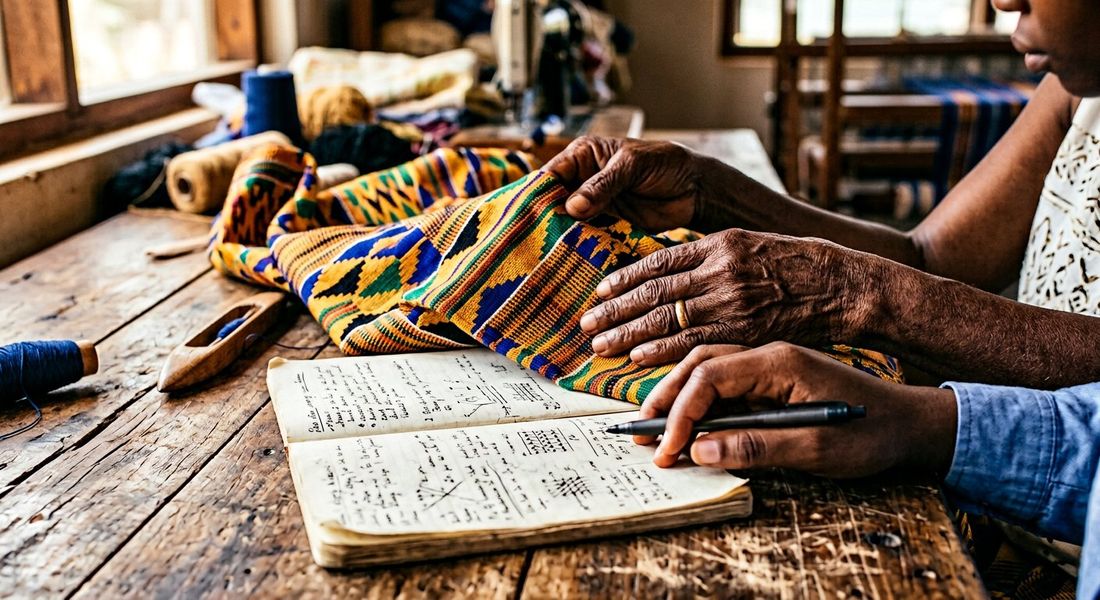
This track turns Africa’s living knowledge into structured, respectful learning: oral traditions, languages, agricultural and ecological practice, healing traditions, craft systems, governance wisdom and cosmologies — studied with communities, not merely about them.
Participants move through guided study, community listening and documentation practice. Contributions that meet TAIIH Education’s ethical standards — consent, attribution, care — may enter the growing open collections in the Learning Hub.
Who is it for?
- Anyone curious about African knowledge systems and heritage
- Teachers seeking locally grounded curriculum material
- Researchers and students trained in ethical documentation
- Elders and knowledge holders who wish to record what should not be lost
What you will learn
- A working map of indigenous knowledge systems and their logic
- Skills in oral-history interviewing, transcription and respectful attribution
- Ability to bring heritage material into classrooms, projects and publications
- Contributions archived to the TAIIH Knowledge Collections under community consent
Program structure
- 01
Listen
Guided study of knowledge domains and etiquette for learning from communities.
- 02
Study
Readings, language basics, and comparative themes across regions.
- 03
Document
Practice ethical recording: consent, metadata, context and return of knowledge.
- 04
Return
Share results back to communities and publish curated items to the Hub.
Curriculum & modules
- Introduction to African Knowledge Systems
- Oral Tradition & Story Logic
- African Languages & Naming Wisdom
- Ethnobotany & Medicinal Knowledge (ethical frameworks)
- Ecology, Agriculture & Land Stewardship
- Craft, Textiles & Material Knowledge
- Governance, Law & Conflict Resolution Traditions
- Documentation Ethics & Archiving
Learning method, duration & certification
- Learning method
- Self-paced readings, live community learning circles, mentor-guided documentation projects and an annual contributors’ gathering.
- Duration
- Rolling
- Delivery
- Blended
- Certification
- Contributors earn collection credits; documentation portfolios are reviewed for archive eligibility. [Placeholder — formal credential under development.]
Frequently asked questions
Do I need academic background?
No. The first two modules are open to all learners; research and documentation tracks assume graduate-level reading.
Who owns recorded knowledge?
Knowledge holders and their communities retain ownership. TAIIH Education archives only with documented consent and clear attribution.
Can I contribute my community’s knowledge?
Yes — begin with the contribution pathway on the Indigenous Knowledge page or contact the team; mentors guide consent and recording.
Is sacred or restricted material published?
No. Some knowledge is not for public archives; contributors set access levels, and restrictions are honoured.