Research Projects
Active studies on education, heritage and innovation, led with community partners.
3 in progress
Research & innovation
TAIIH Education research asks questions that matter to African communities — in education, heritage, technology and innovation — and returns answers in open, usable forms.
What we study
Active studies on education, heritage and innovation, led with community partners.
3 in progress
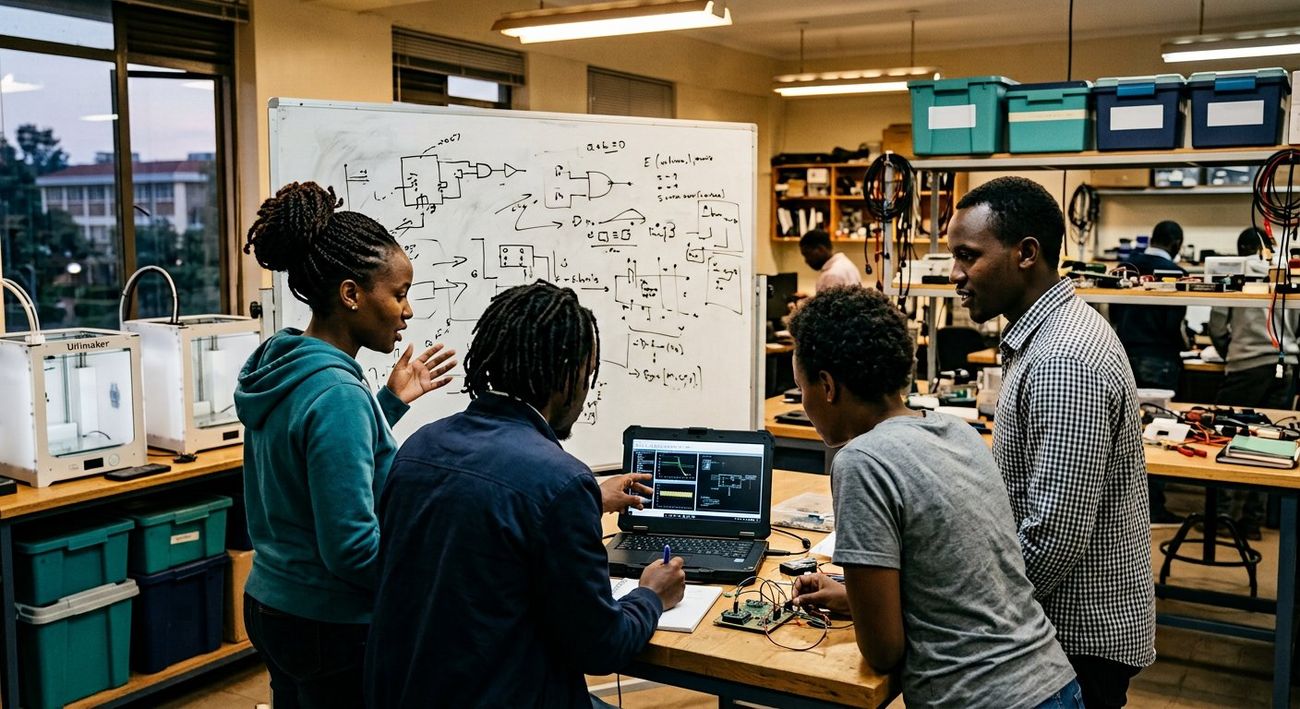
Documenting makers, engineers and practical problem-solvers across the continent.
2 case series
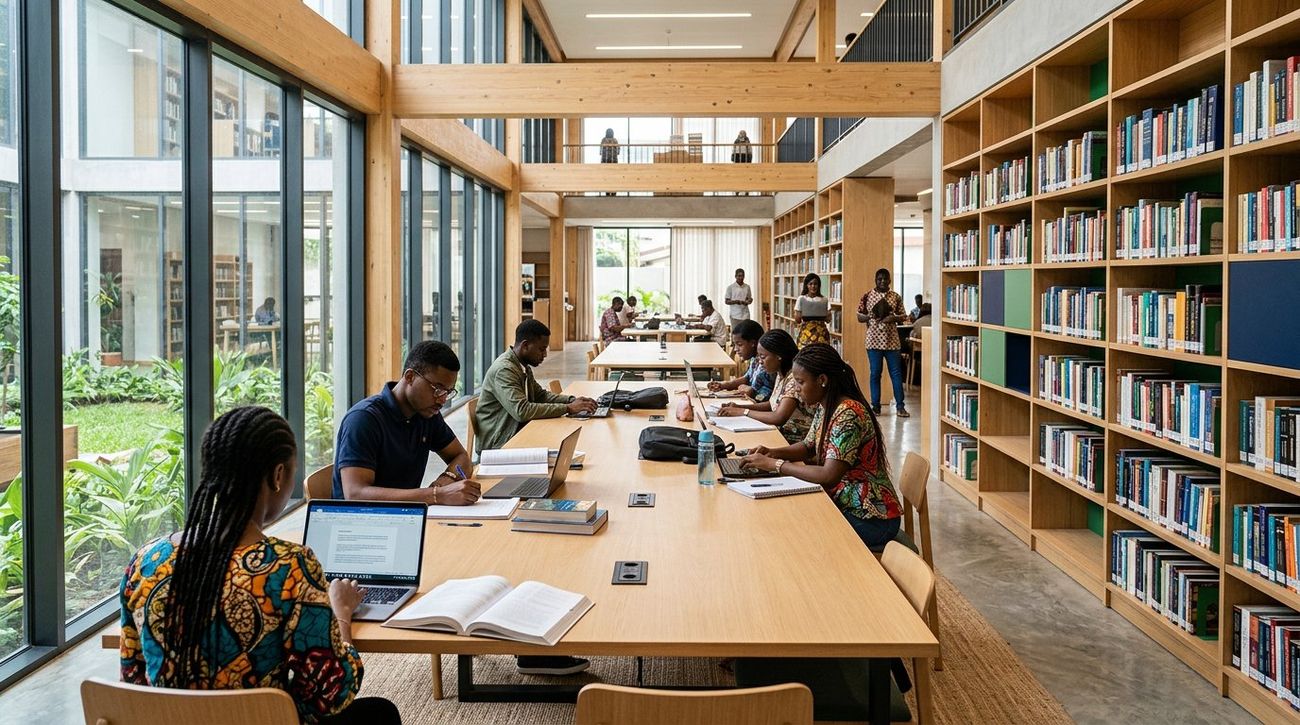
Supervised student studies, from reading circles to oral-history projects.
4 cohort papers
Documentation ethics, language technology and the science of traditional practice.
2 working groups
How digital tools, AI and connectivity change African learning — studied honestly.
1 annual survey
The TAIIH Education Review, field notes and open working papers.
1 journal + series
Our work follows three rules: research questions come from the field, methods respect their owners, and findings return to participants before they reach publications. Student research is supervised but never hidden — early work is published as field notes with limits stated honestly.
The TAIIH Education Review carries peer-informed pieces each year, alongside program reports from Dream Seminars cohorts, foundational outcome data and documentation-ethics papers from the indigenous knowledge working group.
Working with us
TAIIH EDUCATION
Start the conversation — research partnerships and student supervision enquiries reach the working group directly.